Our Mission
Founded in 1874 by Norwegian Lutheran immigrants, St. Olaf is a nationally ranked liberal arts college of the ELCA located in Northfield, Minnesota.
minutes from the Twin Cities.
acre campus with 350 acres of restored wetlands, woodlands, and native tallgrass prairie.
enrolled students with 95% living on campus.
academic calendar
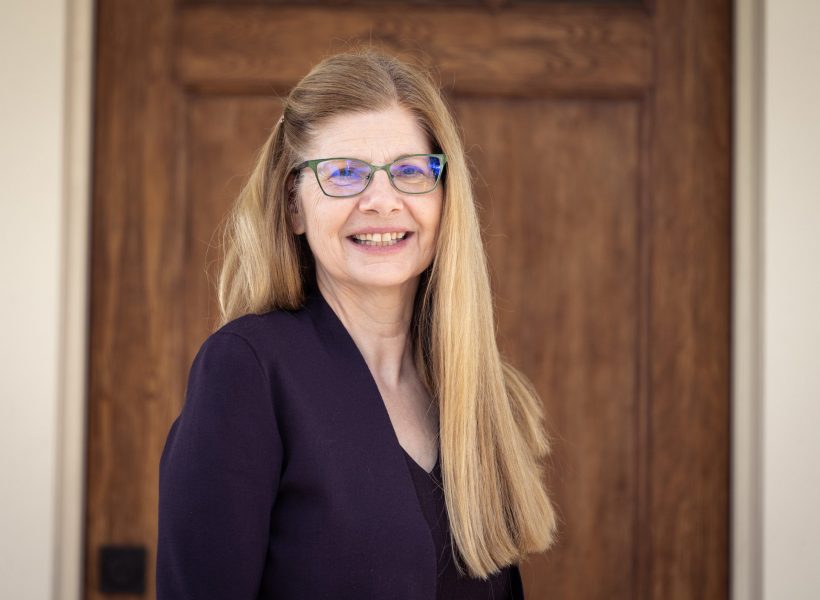
 President Susan Rundell Singer
“I see St. Olaf as a beacon of light in higher education. Every Ole, supported by advisors and mentors, creates their own pathway integrating coursework and co-curricular experiences. They will be prepared for meaningful careers and empowered to address pressing global issues. I envision a St. Olaf where every Ole thrives, developing intercultural competence and many other skills needed for future work and life.”
A St. Olaf education embraces the entire undergraduate experience. Students learn not only in the classroom, but also in residence halls, rehearsal rooms, practice fields, worship services, student employment, and community organizations. These diverse learning opportunities work together to help students achieve a comprehensive set of college-wide learning goals.
of alumni agree that non-classroom interactions with faculty contributed to their personal growth, values and attitudes.
of alumni agree that their experience substantially contributed to their integrative and creative thinking skills.
of alumni agree that their experience substantially contributed to their critical thinking skills.
of seniors agree that their experience substantially contributed to their ability to write clearly and effectively.
Initiatives
The College has several ongoing initiatives to support our mission as well as an overall strategic plan.
You must be logged in to post a comment.