
Campus Sustainability
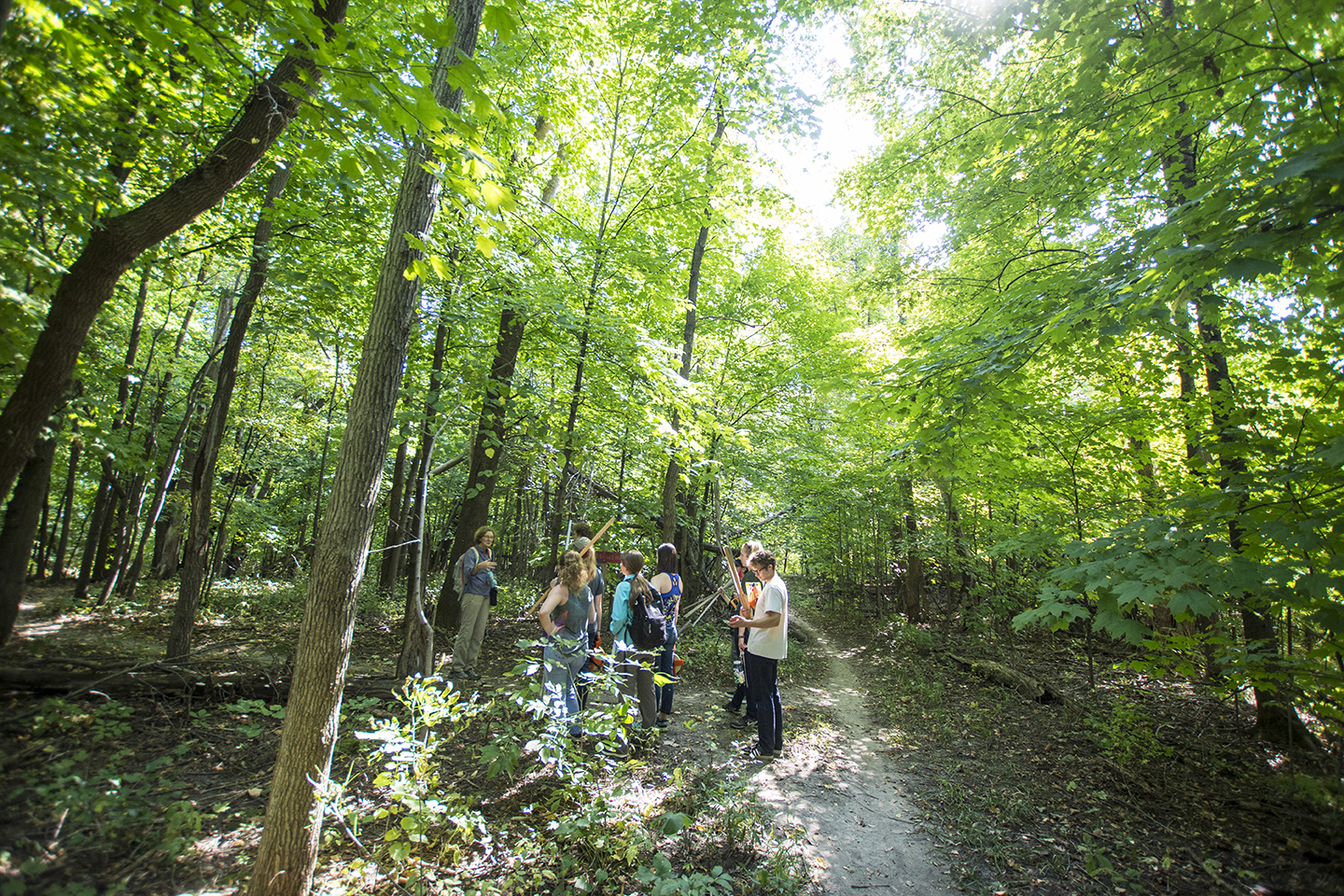
Learn more about our Environmental Studies major & concentration, Academic Civic Engagement courses, Collaborative Undergraduate Research and Inquiry (CURI) programs, and study abroad opportunities.
Academics

Discover how our campus activities and buildings are powered – and learn where that power comes from.
Energy Policies in Practice
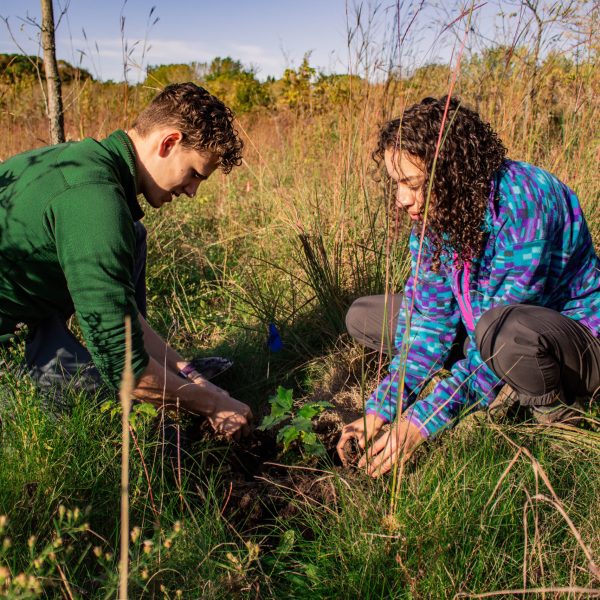
Find ways to engage in environmental and sustainability efforts both on and off campus, through courses, clubs, local organizations, and more.
Take Action
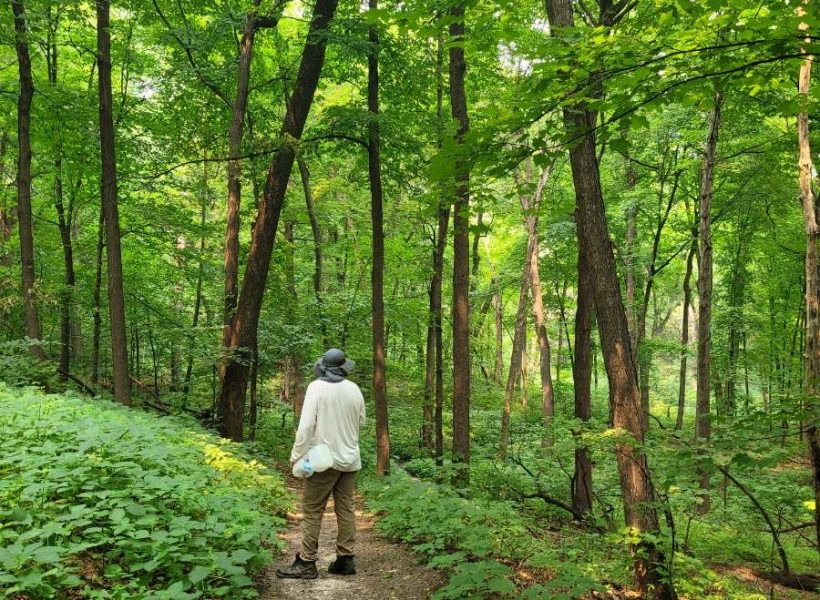
A strong commitment to sustainability and environmental responsibility has been part of the fabric of St. Olaf College for decades, and this commitment continues to play an increasingly significant role in the college’s future.
The city of Northfield is set to be carbon neutral by 2040, and as a vibrant contributor to the everyday operations of the city, St. Olaf College is determined to support that goal.
The Environmental Sustainability Committee is in the process of setting concrete and attainable sustainability goals for St. Olaf that will propel the college towards carbon neutrality in the coming decades.
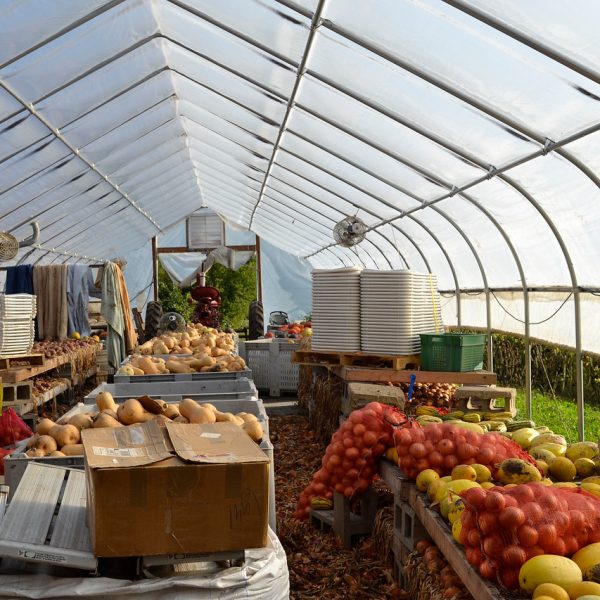
Learn about our efforts and accomplishments in establishing a sustainable food system on campus.
Food Sustainability

Read about the mission of our Environmental Sustainability Committee and meet the students, faculty, and staff that are part of this team.
Environmental Sustainability Committee
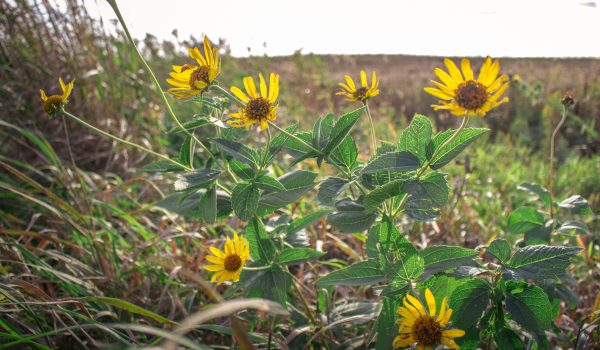
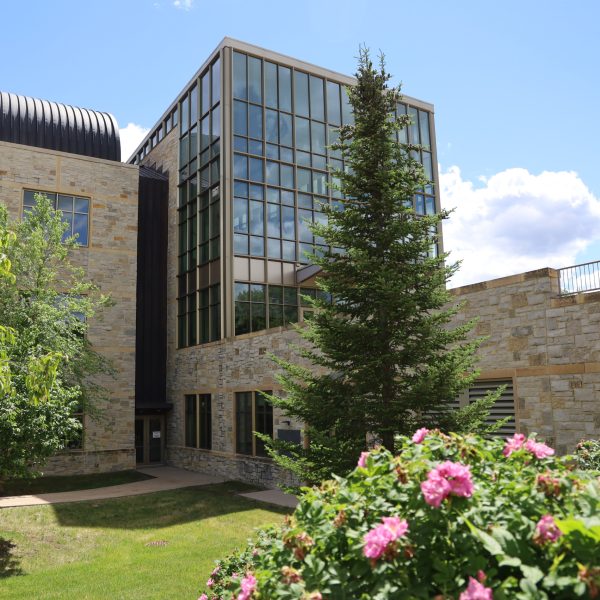
Learn about the sustainable design and operations of our campus, including buildings, water use, and waste management.
Material Flow
Sustainability News

Caring for the earth, starting with efforts on campus
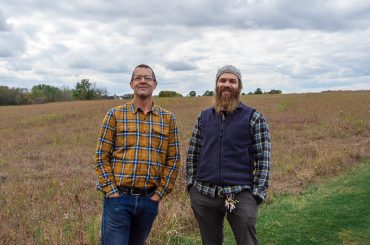
A new pair of caretakers for the Natural Lands