
Norwegian
St. Olaf College is one of few U.S. higher education institutions where students can study Norwegian to complete their foreign language requirement and also be able to further develop their knowledge of Norwegian language, literature, culture, and history. Study abroad in Norway, read literature by such authors as Henrik Ibsen, Knut Hamsun and Jo Nesbø. The study of Norwegian opens the door to another culture and worldview and also helps to develop skills in communication, research, analytical thinking, and writing that are essential in a wide range of careers.
Former students report time and again that a knowledge of Norwegian is a rare and appealing skill that gives them an edge over other graduates. Norwegian also enables many students to explore their cultural heritage, and encourages contact with relatives and friends in Norway.
Norwegian News

Prime Minister of Norway to visit St. Olaf

Two St. Olaf students named Smaby Peace Scholars
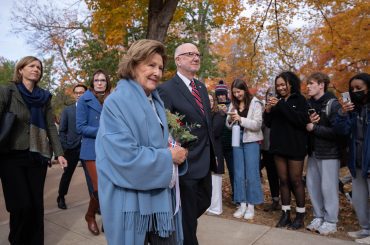
Queen Sonja of Norway visits campus

Two Oles win Fulbright fellowships

St. Olaf graduate receives prestigious German Parliament award

To Include is To Excel: Diversifying Norwegian

Students study the value of dialogue as Smaby Peace Scholars